top of page


Azores Travel Guide – Portugal’s Volcanic Islands
Discover crater lakes, hot springs, whale watching, and dramatic Atlantic landscapes across the Azores islands.
The Azores Travel Guides
The Azores is one of Portugal’s most remarkable destinations — a volcanic archipelago rising from the Atlantic Ocean, known for its crater lakes, geothermal springs, and dramatic coastal landscapes.
Spread across nine islands, the Azores offer untouched nature, peaceful scenery, and a slower pace of travel that feels far removed from mainland Europe.
Small villages, green pastures, and rugged cliffs define the islands’ identity, creating a destination that feels both authentic and wild.
This Azores Travel Guide highlights the best islands to explore, must-see natural wonders, and unforgettable outdoor experiences — helping you plan your trip with confidence.
You’ll discover where to go, what to see, and how to experience the islands — from whale watching and scenic hikes to thermal pools and volcanic viewpoints.
Whether you’re seeking adventure, relaxation, or a nature-focused escape, the Azores deliver a journey unlike anywhere else in Portugal.

Explore our private Azores tours and discover the islands with expert planning and authentic local insight.

The Azores Weather & Best Time to Visit
The Azores have a mild, maritime climate throughout the year, influenced by their mid-Atlantic location. Winter temperatures average around 14°C, while summer daytime highs typically reach 22–24°C. Extreme heat is rare — temperatures seldom exceed 30°C — and winters rarely fall below 5°C at sea level. This steady climate makes the islands a viable destination in every season.
Rainfall is more frequent than on mainland Portugal, particularly between September and March, with December and January usually being the wettest months. However, showers are often short-lived and followed by clear skies. The surrounding Atlantic keeps humidity present and weather patterns dynamic, which explains why locals often say you can experience four seasons in a single day.
For the most stable and sunniest conditions, June to August is generally considered the best time to visit. During these months, rainfall is at its lowest, sea temperatures reach around 20–23°C, and long daylight hours make outdoor activities especially enjoyable. This is also the busiest period, although visitor numbers remain moderate compared to many European summer destinations.
If you prefer fewer crowds while still enjoying pleasant weather, September and October offer a strong alternative. Temperatures remain warm, typically between 18°C and 22°C, and the ocean retains its summer warmth. There is a slightly higher chance of rain compared to peak summer, but the islands feel quieter and more relaxed.
Spring (March to May) and winter (November to February) appeal to travelers who prioritize nature and tranquility. Average temperatures range from 13°C to 18°C, landscapes are intensely green, and waterfalls are at their fullest. While rainfall is more frequent, harsh weather is uncommon. For those seeking lower prices, peaceful scenery, and a slower pace, these months can be surprisingly rewarding.

What Should You Wear & Pack for the Azores ?
Dress In Layers
Weather can shift quickly during the day. Wear layers you can adjust easily.
Smart-Casual Outfit
Relaxed island vibe, but polished in restaurants and wine bars. Pack one simple smart outfit.
Comfortable Walking Shoes
You’ll explore trails and uneven paths. Comfortable footwear is essential.
Swimwear
Useful for thermal pools and boat trips. Worth packing year-round.
Light Rain Jacket
Showers are common in every season. A fold-up waterproof layer is smart.
Small Day Backpack
Sightseeing days involve lots of walking. Carry essentials comfortably.
Sun Protection
The Atlantic sun can be strong. Pack sunscreen, sunglasses and a hat.
Power Bank
Long days outdoors drain batteries fast. Keep your devices charged.
Quality Camera
The Azores offer dramatic volcanic landscapes. Bring something reliable for photos.
Reusable Water Bottle
Stay hydrated on hikes and reduce plastic waste.

How to Get to the Azores & Travel Around Like a Local
The Azores sit roughly 1,600 km west of mainland Portugal in the middle of the Atlantic Ocean, so flying is the only practical way to reach the islands. There are no international ferries to the archipelago. Most visitors arrive via a connecting flight from Lisbon or Porto, although direct routes operate from cities in the UK, USA, Canada and mainland Portugal, especially during the summer season.
The main gateway is João Paulo II Airport (PDL) in Ponta Delgada on São Miguel, the largest island in the archipelago. From here, you can easily connect to the other eight islands by short inter-island flights. Depending on the season, you may also find direct flights from Lisbon to Terceira, Faial, Pico or Santa Maria.
Once in the Azores, renting a car is the best way to explore freely. The islands are volcanic and mountainous, with remote viewpoints, crater lakes and coastal roads that public transport does not always reach. Booking your car in advance is recommended, particularly between May and October when visitor numbers increase.
Public buses operate in the larger towns and connect main areas, but schedules can be limited in rural regions. Taxis are available and safe, though costs add up quickly for longer journeys. If you prefer a relaxed and stress-free option, guided tours and private transfers allow you to experience the islands comfortably while leaving the logistics to local experts.
Island hopping in the Azores is surprisingly straightforward, especially between late spring and early autumn. Ferries connect many of the central and western islands, making it easy to travel between places like Pico, Faial and São Jorge, while flights offer faster links across the archipelago. During high season, connections are more frequent, though routes to the eastern islands can be limited outside summer. If you want to maximize your time and minimize travel hours, short inter-island flights are often the most efficient option.

Are the Azores Expensive? A Realistic Guide to Travel Costs
The Azores are not a bargain destination, but they offer solid value for a remote Atlantic archipelago. Prices are slightly higher than mainland Portugal due to transportation and logistics, yet the islands feel far more affordable than many other volcanic island destinations. With sensible planning, the Azores work well for mid-range travellers and those looking for comfort without luxury-level spending.
Accommodation varies by island and season. Smaller guesthouses and local stays are widely available, while boutique hotels and sea-view properties command higher prices during summer. As a general guide, mid-range rooms often start around €70–€120 per night, with peak-season rates increasing on popular islands like São Miguel. Booking early for the high season makes a noticeable difference.
Dining out remains reasonably priced by Western European standards. A relaxed restaurant meal is typically affordable, and even scenic terrace dining won’t feel excessive. Many of the Azores’ best experiences — crater lakes, coastal viewpoints, hiking trails and natural swimming areas — cost nothing at all, which helps balance the overall budget.
For a comfortable trip excluding flights, a realistic daily spend usually falls somewhere between €80 and €120 per person, depending on your accommodation choice and whether you rent a car. Transportation is often the biggest expense, but fuel is moderate and parking is frequently free. Overall, the Azores deliver strong value for travellers drawn to dramatic nature and outdoor adventure rather than luxury resorts.

Explore the Azores by Island: A Guide to All Nine Islands
São Miguel Island
São Miguel is the largest and most diverse island in the Azores, often nicknamed the “Green Island” for its rolling hills, crater lakes and endless pastures. It’s the most populated island in the archipelago, yet it still feels wonderfully untamed. Dramatic volcanic landscapes meet lush farmland, and around every bend you’ll find a new viewpoint overlooking cliffs, ocean, or emerald lagoons.
At the heart of the island lies Ponta Delgada, the Azores’ main gateway and economic hub. With its black-and-white basalt architecture, marina promenade, and relaxed café culture, the city blends historic charm with a modern island atmosphere. It’s a great base for exploring São Miguel, offering excellent restaurants, boutique hotels, and easy access to the island’s top sights.
Nature is the real highlight here. The twin lakes of Sete Cidades, the steaming geothermal valley of Furnas, and the panoramic views from Lagoa do Fogo showcase the island’s volcanic origins. You can hike along crater rims, soak in natural hot springs, or swim in thermal pools warmed by underground activity — a rare experience in the middle of the Atlantic.
Beyond the famous viewpoints, São Miguel surprises visitors with tea plantations, pineapple greenhouses, black-sand beaches, and dramatic coastal cliffs. Whether you’re into hiking, whale watching, road trips, or simply relaxing in nature, this island offers the most complete Azores experience in one place.
Santa Maria Island
Santa Maria is the southernmost and oldest island in the Azores, often called the “Yellow Island” for its warmer tones and drier landscapes. Unlike the lush greens of other islands, Santa Maria surprises visitors with rolling hills, golden cliffs, and the only natural white sand beaches in the archipelago. With a small population and a laid-back rhythm, it feels peaceful, authentic, and wonderfully unspoiled.
The island has a softer, sunnier character and is known for its crystal-clear waters and excellent diving conditions. Offshore, the Formigas Islets attract divers from across Europe, especially those hoping to see manta rays and large pelagic species. Santa Maria also holds historical significance — Christopher Columbus is said to have stopped here on his return voyage from the Americas.
Charming villages with traditional chimneys, colorful houses, and dramatic coastal viewpoints add to the island’s appeal. Highlights include Praia Formosa beach, the Gonçalo Velho lighthouse, and the striking Barreiro da Faneca, often described as a small “red desert” landscape. For travelers seeking beaches, diving, sunshine, and a quieter Azores experience, Santa Maria offers something truly unique.
Terceira Island
Terceira is one of the most dynamic islands in the Azores, blending dramatic volcanic landscapes with vibrant cultural life. Often described as one of the most entertaining islands in the archipelago, it offers an impressive mix of scenery, history, and year-round activity. From green pastures divided by stone walls to rugged coastline and natural lava formations, Terceira feels diverse and constantly engaging.
At the heart of the island lies Angra do Heroísmo, a UNESCO World Heritage city and one of the most beautiful historic centers in the Azores. Its pastel-colored buildings, cobbled streets, and elegant churches reflect centuries of maritime importance. Walking through Angra feels different from the rest of the archipelago — more architectural, more historic, yet still distinctly Azorean.
Nature lovers will find plenty to explore beyond the city. Terceira is home to the Algar do Carvão volcanic cave, where you can descend into an ancient lava chamber, as well as the scenic viewpoints of Serra do Cume and the volcanic landscape of Monte Brasil. In summer, natural swimming pools carved into black lava rock provide perfect spots to cool off along the coast.
Terceira also stands out for its strong traditions and lively festivals, with local celebrations taking place throughout the year. Music, food, and community gatherings are an important part of island life, giving visitors the chance to experience authentic Azorean culture. For travelers looking for a balance of adventure, heritage, and local atmosphere, Terceira delivers a well-rounded Azores experience.
Pico Island
Pico is the boldest island in the Azores, dominated by the towering silhouette of Mount Pico, Portugal’s highest peak at 2,351 meters. The mountain defines everything here — the skyline, the hiking culture, and the island’s identity. Dark volcanic rock, vast lava fields, and wide Atlantic horizons give Pico a raw, elemental beauty that feels powerful and untamed.
The island is also famous for its UNESCO-listed vineyards, where rows of vines grow between black basalt stone walls built to protect them from ocean winds. This unique landscape, shaped by centuries of resilience, produces distinctive local wines that you can taste in small, family-run wineries. Pico’s connection to the sea is just as strong, with a rich whaling history and some of the best whale watching opportunities in the Azores.
Beyond the mountain and vineyards, Pico offers natural swimming pools carved into lava rock, dramatic coastal cliffs, peaceful lagoons like Lagoa do Capitão, and access to one of the longest lava tubes in Europe. Whether you come to climb the summit at sunrise, explore volcanic caves, or simply enjoy the slower rhythm of island life, Pico delivers one of the most striking landscapes in the entire archipelago.
São Jorge Island
São Jorge is one of the most distinctive islands in the Azores, instantly recognizable for its long, narrow shape stretching across the Atlantic. Steep cliffs drop dramatically into the ocean, while deep ravines cut through the island’s interior. What truly defines São Jorge are its fajãs — flat coastal plains formed by lava flows and landslides — which create rare pockets of fertile land at the base of towering cliffs.
This is an island made for nature lovers and hikers. Trails wind along cliff edges and descend to secluded fajãs like Fajã dos Cubres and Fajã do Santo Cristo, where you’ll find peaceful lagoons and natural swimming spots. The scenery feels raw and authentic, with fewer crowds and a slower rhythm than some of the larger islands.
São Jorge is also famous for its strong local identity, especially its traditional Queijo São Jorge, a bold, aged cheese that has become one of the Azores’ most celebrated products. In Fajã dos Vimes, you’ll even find Europe’s only coffee plantation, adding another unique touch to the island’s character. For travelers seeking dramatic landscapes, quiet beauty, and something a little different, São Jorge offers a truly memorable experience.
Flores Island
Flores is the wildest and most untouched island in the Azores, located at the western edge of Europe in the middle of the Atlantic. True to its name, the island bursts with hydrangeas and lush greenery, creating landscapes that feel almost unreal. With its small population and remote location, Flores offers a peaceful atmosphere where nature clearly takes center stage.
Often called the “Island of Waterfalls,” Flores is defined by dramatic cliffs, deep blue crater lakes, and countless cascading falls that tumble into the ocean. Highlights include the stunning Poço da Ribeira do Ferreiro and the iconic Poço do Bacalhau waterfall near Fajã Grande. The island’s high rainfall keeps everything intensely green, feeding lagoons and natural pools that invite exploration.
Flores is also a UNESCO Biosphere Reserve, recognized for its exceptional biodiversity and preserved landscapes. Hiking trails connect scenic viewpoints, volcanic lakes, and remote coastal fajãs, while clear days offer views across the sea to neighboring Corvo. For travelers seeking raw beauty, waterfalls, and a true off-the-grid Azores experience, Flores feels like a world apart.
Faial Island
Faial is known as the “Blue Island,” famous for the hydrangeas that bloom across the landscape in summer, creating vibrant blue borders along roads and pastures. Compact yet full of character, the island offers sweeping views of neighboring Pico and São Jorge, with Mount Pico rising dramatically across the channel. The scenery feels open and windswept, shaped by both ocean horizons and volcanic terrain.
One of Faial’s most striking landmarks is the Capelinhos Volcano, whose eruption in 1957 dramatically reshaped the western coastline. The lunar-like landscape left behind is unlike anywhere else in the Azores, with ash-covered ground and a partially buried lighthouse standing as a reminder of the island’s volcanic power. Visiting the Capelinhos interpretation center adds depth to the experience, explaining how the eruption changed both the land and the lives of residents.
The island’s heart beats in Horta, a historic Atlantic sailing port that has welcomed transatlantic sailors for generations. The marina is famous for its colorful painted murals left by crews from around the world, and Peter’s Café Sport remains a legendary meeting point for travelers. With its maritime spirit, volcanic scenery, and relaxed atmosphere, Faial blends adventure, history, and ocean views into one memorable stop in the Azores.
Graciosa Island
Graciosa, known as the “White Island,” is one of the Azores’ most peaceful and understated destinations. With its low rolling hills, pale volcanic stone, and traditional whitewashed houses, the island feels calm and harmonious from the moment you arrive. Small in size and population, Graciosa offers a slower rhythm of life, where quiet villages and open landscapes define the experience.
One of Faial’s most striking landmarks is the Capelinhos Volcano, whose eruption in 1957 dramatically reshaped the western coastline. The lunar-like landscape left behind is unlike anywhere else in the Azores, with ash-covered ground and a partially buried lighthouse standing as a reminder of the island’s volcanic power. Visiting the Capelinhos interpretation center adds depth to the experience, explaining how the eruption changed both the land and the lives of residents.
Adding to its charm are the thermal waters of Carapacho, where visitors can unwind in mineral-rich baths overlooking the ocean. Graciosa is also famous for its traditional sweets, especially the beloved queijadas, offering a taste of authentic island life. Quiet, authentic, and refreshingly untouched, Graciosa is ideal for travelers seeking simplicity, nature, and a true escape from mass tourism.
Corvo Island
Corvo, the smallest island in the Azores, feels like stepping into a world untouched by time. With just one village and a few hundred residents, life here moves slowly, shaped by strong community ties and the surrounding Atlantic. Dark basalt stone houses and narrow lanes give the island its “Black Island” nickname, while the peaceful atmosphere makes visitors feel instantly welcome.
The island’s dramatic highlight is the Caldeirão, a vast volcanic crater that dominates Corvo’s landscape. From the rim, you can look down into a green basin dotted with small lakes and islets, often said to symbolize the islands of the Azores themselves. Hiking around the crater offers sweeping ocean views and a sense of raw isolation that is rare even within this remote archipelago.
Corvo is also a paradise for birdwatchers, attracting rare migratory species due to its far-west Atlantic location. Divers and nature lovers are drawn to its untouched marine life and rugged coastline, while many travelers visit as a day trip from nearby Flores. Quiet, authentic, and wonderfully remote, Corvo is perfect for those seeking solitude and a deep connection with nature.

Best Things to See and Do in the Azores
Best Sea Activities in the Azores
The Azores are one of the best destinations in Europe for marine experiences. Surrounded by deep Atlantic waters, the islands are world-famous for whale watching, with sightings of sperm whales, blue whales, and several dolphin species throughout the year. Tours depart daily from São Miguel, Pico, and Terceira, guided by marine biologists who track animals using traditional lookout points and modern spotting systems.
Swimming with wild dolphins is another unforgettable experience in the Azores. Unlike many destinations, encounters here are strictly regulated to protect the animals, making the experience both responsible and authentic. Small-group tours allow visitors to enter the open ocean and observe dolphins in their natural habitat, often surrounded by dramatic volcanic coastlines.
The volcanic origins of the islands create exceptional underwater conditions for scuba diving. Certified divers can explore lava arches, underwater caves, seamounts, and rich Atlantic marine life including groupers, rays, and pelagic species. For beginners, “try dive” experiences offer a safe introduction to the underwater world with professional instructors and calm coastal sites.
Snorkeling and kayaking are perfect for those who prefer staying closer to the surface. The islet of Vila Franca do Campo is one of the most popular spots, known for its natural volcanic lagoon and clear waters. Guided kayak tours circle the islet’s cliffs and caves, while snorkeling trips reveal colorful fish and unique rock formations shaped by ancient eruptions.
For travelers seeking action, coasteering and surf lessons provide a more adrenaline-filled way to experience the Atlantic. Coasteering combines cliff jumps, swimming, and rock scrambling along volcanic shorelines, while Ribeira Grande offers some of the best beginner-friendly surf conditions in Portugal. Traditional fishing charters and glass-bottom boat tours round out the options, ensuring there is a sea adventure in the Azores for every type of traveler.


Dolphin and Whale Watching
Swimming with Wild Dolphins
Scuba Diving
Nature & Adventure Activities in the Azores
The Azores are a natural playground shaped by volcanoes, cliffs, forests, and waterfalls. Hiking trails cross crater rims, descend into lush valleys, and follow dramatic coastal ridges overlooking the Atlantic. From the famous Sete Cidades caldera in São Miguel to the raw volcanic landscapes of Pico and São Jorge, walking routes range from easy scenic paths to full-day trekking adventures.
Canyoning is one of the most popular adventure activities in the Azores. Participants descend waterfalls, slide through natural rock formations, and jump into crystal-clear pools hidden deep inside green ravines. São Miguel and São Jorge are especially known for their canyoning routes, suitable for both beginners and experienced adventurers. It’s a dynamic way to explore areas that would otherwise be inaccessible.
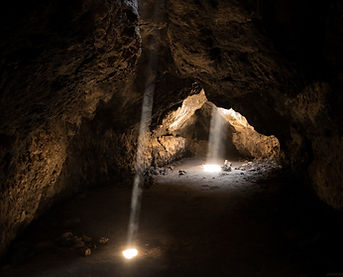
For those seeking vertical challenges, rock climbing, abseiling, and speleology offer a different perspective of the islands’ volcanic terrain. Lava tubes and caves reveal the geological history of the archipelago, while coastal cliffs provide excellent climbing routes with ocean views. Ziplining and orienteering experiences add variety for travelers looking for short but intense outdoor activities.
Buggy and quad bike tours are becoming increasingly popular across São Miguel and Terceira. These off-road adventures take visitors through dirt tracks, volcanic landscapes, forest trails, and panoramic viewpoints that standard vehicles cannot access. It’s an efficient way to cover large areas while adding an element of excitement and exploration.
Finally, paragliding offers one of the most unique ways to experience the Azores from above. Launching from coastal cliffs or mountain viewpoints, flights provide sweeping views over crater lakes, green pastures, and the deep blue Atlantic. Combined with jeep tours and multi-day adventure packs, these experiences make the Azores one of Portugal’s most complete destinations for nature and outdoor activities.


Hiking
Canyoning
Lava Tubes and Caves
Azores Cultural Heritage & Island Traditions
The culture of the Azores is deeply rooted in its history of settlement, religion, and connection to the Atlantic. Discovered in the 15th century and populated mainly by Portuguese settlers, the islands developed a distinct identity shaped by isolation, volcanic landscapes, and maritime life. Over time, traditions were preserved through tight-knit communities where faith, agriculture, and the sea played central roles in everyday life.
Religious heritage remains one of the strongest cultural influences across the archipelago. Churches, chapels, and small roadside shrines can be found in nearly every village. The Holy Spirit Festivals (Festas do Divino Espírito Santo) are among the most important traditions, celebrated with processions, decorated crowns, communal meals, and music. These festivities reflect a spirit of solidarity and community that continues to define Azorean society.
Architecture throughout the islands tells the story of their past. Historic centers such as Angra do Heroísmo in Terceira, a UNESCO World Heritage Site, showcase Renaissance and Baroque influences alongside traditional whitewashed houses with black volcanic stone details. Fortresses, convents, and manor houses stand as reminders of the islands’ strategic role during the Age of Discoveries and Atlantic trade routes.
Handicrafts and local arts also form part of the Azorean cultural identity. Traditional embroidery, ceramics, scrimshaw art inspired by the whaling era, and handcrafted musical instruments are still produced today. The whaling history of Pico and Faial remains an important chapter in the islands’ story, now preserved through museums and cultural centers that document the transformation from hunting to whale conservation.
Music, folklore, and gastronomy further enrich the cultural experience. Traditional folk dances, local philharmonic bands, and regional festivals bring villages together throughout the year. Culinary traditions such as cozido das Furnas, slow-cooked using volcanic heat, and fresh Atlantic seafood reflect the strong relationship between land, sea, and community. Together, these elements create a cultural landscape that feels authentic, preserved, and deeply connected to the rhythms of island life.


Gastronomy and Wine in the Azores
Traditional Food & Drinks of Azores
Azorean gastronomy reflects the islands’ volcanic origins, fertile soil, and deep connection to the Atlantic Ocean. Local cuisine is simple, hearty, and based on fresh ingredients produced within the archipelago itself. Dairy farming plays a central role, making Azorean cheeses and butter some of the best in Portugal. Combined with fresh seafood, grass-fed beef, and seasonal vegetables, the food culture here feels authentic and deeply tied to the land.
One of the most iconic dishes is Cozido das Furnas, slow-cooked underground using natural volcanic heat in São Miguel. Seafood is equally important, with limpets (lapas), grilled octopus, tuna steak, and various Atlantic fish appearing regularly on restaurant menus. Meat lovers will appreciate tender Azorean beef, traditionally prepared as Alcatra (slow-cooked beef stew from Terceira) or simply grilled with local seasoning.
Local products are a highlight of the Azores. São Jorge cheese is internationally recognized for its bold, slightly spicy flavor, while Pico is known for its unique volcanic vineyards. Pineapple grown in greenhouses in São Miguel and passion fruit varieties add a tropical touch to the islands’ agricultural identity. Tea plantations, particularly in São Miguel, produce some of the only tea grown in Europe.
Sweets and desserts in the Azores are rooted in convent traditions and rural life. Queijadas (sweet pastries made with cheese or milk), rice pudding, and regional custard-based desserts are common across the islands. Each island has its own variations, often linked to local festivities and family traditions that have been passed down for generations.
Wine and traditional beverages complete the culinary experience. Pico Island wines, grown in UNESCO-listed volcanic vineyards, have gained international recognition for their mineral character. Alongside wine, local liqueurs made from passion fruit or pineapple are popular, as well as regional beers and aguardente. Together, Azorean gastronomy offers a balanced blend of sea, land, and volcanic heritage.
Typical Dishes
-
Cozido das Furnas
-
Alcatra
-
Grilled Lapas
-
Polvo Guisado
-
Bife de Atum
-
Azorean Grilled Beef
-
Bife de Atum
-
Caldo de Peixe
-
Torresmos
Typical Drinks
-
Pico Island Wine
-
Pico Island Wine
-
Azorean Craft Beer
-
Aguardente
-
Passion Fruit Liqueur
-
Pineapple Liqueur
-
Azorean Tea
Local Products
-
São Jorge Cheese
-
Azorean Butter
-
São Miguel Pineapple
-
Passion Fruit
-
Volcanic Grapes
-
Azorean Honey
Sweets & Desserts
-
Azorean Honey
-
Arroz Doce
-
Malassadas
-
Massa Sovada
-
Sweet Rice Cakes
-
Custard Tarts
The Best Restaurants in the Azores
The Azores offer a diverse and authentic dining scene that reflects the islands’ strong connection to land and sea. From traditional taverns serving slow-cooked alcatra and freshly grilled limpets to refined farm-to-table restaurants highlighting seasonal local produce, the culinary experience here is both genuine and memorable. Many of the best restaurants focus on regional ingredients such as São Jorge cheese, Azorean grass-fed beef, Atlantic fish, and Pico wines, creating dishes that are simple yet full of character. Whether dining by the ocean in São Miguel, enjoying Terceira’s hearty specialties, or tasting innovative cuisine in Pico, the Azores combine tradition and quality in every meal.
-
A Tasca – Ponta Delgada
-
Bar Caloura
-
Casa do Abel
-
Quinta dos Sabores
-
A Caneta
-
Taberna Roberto
-
Magma Restaurant
-
Magma Restaurant
Ready to discover the Azores beyond this travel guide?
Our Custom and Private Tours of Portugal turn your ideas into thoughtfully designed journeys — tailored to your rhythm, your passions, and the way you love to travel.
Explore Our Customizable Azores Tours
Discover authentic experiences crafted to match your interests and pace.
Contact Us to Create Your Custom Portugal Tour
Send Us Your Details and We’ll Get Back to You Within 24 Hours
bottom of page