top of page


A Destination Guide to Madeira by Local Experts
From mountain peaks to Atlantic sunsets — experience Madeira beyond the ordinary.
Madeira Travel Guide
Madeira is one of Portugal’s most breathtaking destinations — a volcanic island rising from the Atlantic, famous for its dramatic cliffs, lush mountains and year-round mild climate.
Known as the “Island of Eternal Spring,” Madeira blends striking natural beauty with elegant coastal towns, vibrant gardens and centuries of maritime heritage.
Small in size yet incredibly diverse, the island offers everything from panoramic viewpoints and scenic levada walks to refined gastronomy and renowned Madeira wine.
This Madeira Travel Guide highlights the island’s key cities, must-see attractions, natural wonders and authentic cultural experiences — helping you plan your trip with confidence.
You’ll find where to stay, what to explore, how to get around and which experiences best suit your travel style.
Whether you’re seeking adventure, relaxation or a perfectly balanced itinerary, Madeira delivers a journey unlike anywhere else in Portugal.
And while you are here, explore our private Madeira tours and discover the island with expert planning, seamless logistics and authentic local insight.

Madeira Weather & Best Time to Visit
Madeira enjoys a pleasantly mild climate all year round. Winter daytime temperatures usually hover around 15–16°C, while summer averages sit comfortably between 22–23°C. Even in January and February, the island feels relatively warm compared to much of Europe. Extreme heat is uncommon, and along the coast, temperatures rarely fall below 10°C.
The sunniest and driest months typically run from June through September, with July and August seeing the least rainfall. It’s a great time for hiking, boat trips and long days by the sea. Calm waters and extended daylight hours make outdoor exploration especially enjoyable.
Spring (April–May) and early autumn (September–October) are often considered the sweet spots. The weather is still warm and pleasant, rainfall is moderate, and the island feels less crowded. These months are ideal if you prefer comfortable hiking conditions and a more relaxed pace.
From November to February, rainfall becomes more frequent, particularly in December and January. That said, Madeira still enjoys plenty of sunny intervals. Thanks to the island’s microclimates, the south coast tends to be drier and brighter, while the north is greener and more dramatic. For this reason, Madeira remains a rewarding destination in every season.

What Should You Wear & Pack for Madeira?
Dress In Layers
Mild climate, but cooler in the mountains and evenings. Bring light clothes and a thin jacket.
Smart-Casual Outfit
Relaxed island vibe, but polished in restaurants and wine bars. Pack one simple smart outfit.
Comfortable Walking Shoes
Expect viewpoints, cobbled streets and levada trails. Bring sturdy shoes or light hikers.
Swimwear
Useful for lava pools, hotel spas and boat trips. Worth packing in any season.
Light Rain Jacket
Quick showers happen, especially in higher areas. A compact waterproof layer is practical.
Small Day Backpack
Helpful for hikes and sightseeing days. Carry water, snacks and your camera comfortably.
Sun Protection
The Atlantic sun is strong, even in cooler months. Bring sunscreen, sunglasses and a hat.
Sandals
Great for coastal walks and relaxed evenings. Especially useful in warmer months
Quality Camera
Cliffs, waterfalls and dramatic viewpoints are everywhere. You’ll want good photos.
Some Cash
Cards are common, but small cafés may prefer cash. Keep a little for tips and taxis.

How to Get to Madeira & Travel Around the Island Like a Local
Madeira is easy to reach from most major European cities, with direct flights landing at Cristiano Ronaldo International Airport (FNC) in Funchal. There are also seasonal connections from the UK, Germany, France and even New York. Once you land, central Funchal is just 20–25 minutes away.
If you’re coming from Porto Santo, the “Lobo Marinho” ferry connects the islands in about 2.5 hours, with regular departures (seasonal schedules apply). There are also short inter-island flights of around 25 minutes, making travel within the archipelago simple and reliable.
Getting around Madeira requires some planning. The island is steep and mountainous, with many tunnels cutting through dramatic landscapes. Distances may look short on the map, but driving times can be longer than expected
Renting a car is the best way to explore freely, giving you access to remote viewpoints, levada walks and hidden beaches. Automatic cars are recommended due to steep roads, and booking early is wise in high season. Public buses are affordable but limited in some areas, while guided tours and private transfers offer a comfortable, stress-free alternative.

Is Madeira Expensive? A Realistic Guide to Travel Costs
Madeira isn’t a “cheap” destination, but it offers solid value compared to many Western European islands. While prices are slightly higher than mainland Portugal due to its location, the island remains more affordable than places like the Canary Islands or Iceland. With smart planning, it suits both mid-range and comfortable travel budgets.
Accommodation costs vary by season and location. In Funchal and popular coastal areas, 4-star hotels typically range from €100–€250 per night, while guesthouses and apartments can start around €50–€90. Booking early, especially for summer, makes a noticeable difference.
Food and daily expenses are reasonable. A typical restaurant meal costs around €15–€25 per person, while upscale dining with wine may reach €40–€60. Car rentals usually start from €30–€50 per day, buses are inexpensive, and many of the island’s best experiences — such as viewpoints and levada walks — are completely free.
Overall, a comfortable mid-range daily budget in Madeira usually falls between €90–€150 per day (excluding flights). The island can feel premium, but with a mix of local dining, free nature experiences, and smart transport choices, it delivers excellent value for what it offers.

Explore Madeira by Region: North, South, East, West & The Peaks
North Coast of Madeira
The North Coast of Madeira feels wild, dramatic, and untamed. Facing the Atlantic, it is shaped by volcanic cliffs, deep green valleys, waterfalls, and constant ocean swells crashing against the rocks. The cooler, more humid climate allows dense vegetation to thrive, creating some of the island’s most striking landscapes.
Much of the region is covered by the Laurissilva Forest, a UNESCO World Heritage site and one of the best-preserved subtropical forests in the world. Mist often drifts through the mountains, adding a mystical atmosphere. The blend of mountains, forest, and sea makes the North Coast visually distinct from the sunnier south.
São Vicente and Porto Moniz are two of the area’s highlights. São Vicente is known for its valleys, volcanic caves, and peaceful rural setting, while Porto Moniz is famous for its natural lava pools formed by volcanic rock and shaped by the Atlantic Ocean.
Further east, Santana combines nature and tradition. Known for its triangular thatched houses and dramatic coastal viewpoints, it also sits near excellent hiking areas. Together, these towns showcase the raw beauty, cultural heritage, and authentic charm of Madeira’s North Coast.
South Coast of Madeira
The South Coast of Madeira is the island’s most vibrant and sunniest region, where city life, coastal scenery, and tradition come together. Sheltered from the northern winds, it enjoys a warmer and drier climate, making it the most populated and developed part of the island. Dramatic cliffs meet calm blue waters, and charming towns stretch along the coastline with the Atlantic always in view.
Funchal, the island’s capital, is built like a natural amphitheater facing the sea. It blends history, culture, gastronomy, and modern lifestyle in one dynamic setting. From its historic center and lively marina to botanical gardens and panoramic viewpoints, Funchal serves as the main gateway to Madeira.
Just west of Funchal, Câmara de Lobos offers a more traditional and authentic atmosphere. This picturesque fishing village, once painted by Winston Churchill, is known for its colorful boats, small harbor, and strong ties to Madeira’s maritime heritage. Surrounded by steep hills and vineyards, it captures the essence of local island life.
Together, Funchal and Câmara de Lobos define the heart of the South Coast. They showcase the balance between urban energy and fishing traditions, between refined dining and Atlantic landscapes — all under Madeira’s warm southern sun.
East Coast of Madeira
The East Coast of Madeira offers a striking contrast of landscapes, where green hills meet arid, wind-shaped terrain and sweeping Atlantic views. This side of the island feels open and expansive, with dramatic cliffs, golden sunrise light, and coastal towns that reflect Madeira’s early history.
The East Coast of Madeira offers a striking contrast of landscapes, where green hills meet arid, wind-shaped terrain and sweeping Atlantic views. This side of the island feels open and expansive, with dramatic cliffs, golden sunrise light, and coastal towns that reflect Madeira’s early history.
Beyond the town center, the landscape becomes more rugged toward Ponta de São Lourenço. Here, dry cliffs and volcanic rock formations create one of Madeira’s most unique and dramatic natural settings, especially at sunrise.
Santa Cruz, just east of Funchal, serves as the island’s main gateway as it is home to Cristiano Ronaldo International Airport. Despite its accessibility, it retains an authentic feel with seaside promenades, small beaches, and traditional villages inland, capturing the raw and historical spirit of the East Coast.
West Coast of Madeira
The West Coast of Madeira is often considered the island’s sunniest side. Here, dramatic cliffs meet fertile valleys, and long golden evenings light up the coastline. Sheltered and warm for most of the year, it feels relaxed — a place where rugged Atlantic views blend with small towns and terraced hillsides.
Further west, Calheta is known for its marina and one of Madeira’s rare golden sandy beaches, created to provide calmer swimming conditions. It’s a favorite spot for those who simply want to slow down, enjoy the sun, and spend time by the sea.
As you move inland, the landscape changes quickly. The road climbs toward mountain plateaus like Paul da Serra, where wide-open views and cooler air create a completely different atmosphere. It’s ideal for hiking and scenic drives.
Overall, the West Coast feels easygoing and bright — a place where sunshine, sea views, farmland, and quiet villages come together naturally, without trying too hard.
Madeira Peaks
The Peaks of Madeira are the island’s dramatic backbone, rising sharply above the coastline and shaping its unmistakable silhouette. This central mountain range climbs above 1,400 meters and was formed over millions of years of volcanic activity. Rugged ridgelines, deep valleys, and sharp rock formations make this one of the most breathtaking parts of the island.
At the heart of the range stand Pico Ruivo (1,862 m), the highest point in Madeira, and Pico do Areeiro (1,818 m), the third highest. These two summits are connected by one of Madeira’s most famous hiking routes. On clear days, the views stretch across the island — and sometimes all the way to Porto Santo.
Pico do Areeiro is one of the easiest high-altitude viewpoints to reach, as you can drive almost to the top. It’s especially popular at sunrise and sunset, when the peaks glow above a sea of clouds. From here, hikers can follow the PR1 trail toward Pico Ruivo, crossing tunnels and narrow ridges carved into the mountains.
Reaching Pico Ruivo feels like standing on the roof of Madeira. From the summit, you get sweeping 360-degree views of mountains, coastline, and deep green valleys below. The Peaks aren’t just about height — they’re about silence, scale, and the powerful feeling of being surrounded by raw nature.

Best Things to See and Do in Madeira
Best Sea Activities in Madeira
Madeira’s Atlantic waters are one of the island’s greatest natural assets, offering experiences that range from relaxed to adrenaline-filled. Dolphin and whale watching is among the most popular activities, with year-round sightings possible thanks to the deep ocean surrounding the island. Guided tours departing from Funchal or Calheta combine marine wildlife encounters with dramatic coastal views, making it one of the most memorable ways to experience Madeira from the sea.
For those who want to go beneath the surface, diving in Madeira reveals volcanic rock formations, underwater caves, and rich marine life. From protected reserves like Garajau to natural reefs and lava arches, dive sites suit both beginners and experienced divers. Clear waters and mild temperatures throughout the year make it a reliable destination for exploring the island’s underwater landscapes.
Surfing is another highlight, as Madeira’s volcanic coastline creates consistent Atlantic waves in every season. From reef breaks to more accessible spots, the island attracts both confident intermediates and seasoned surfers. Popular areas such as Jardim do Mar, Paul do Mar, and Machico offer powerful swells set against dramatic cliffs and open ocean scenery.
For a slower pace, kayaking, boat trips, and swimming allow you to enjoy the coastline at your own rhythm. Paddling along cliffs and into hidden caves offers a unique perspective, while boat tours provide relaxed cruising, swimming stops, and even dolphin spotting. Whether in natural lava pools, calm southern beaches, or open Atlantic waters, swimming in Madeira is refreshing year-round and completes the island’s diverse sea experience.
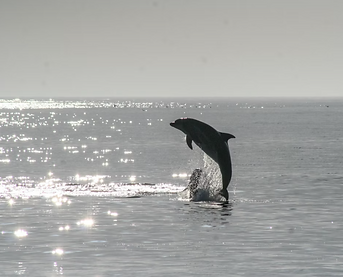


Dolphin and Whale Watching
Diving
Surfing the Atlantic Waves
Nature & Adventure Activities in Madeira
Madeira’s coastline offers a mix of dramatic pebble beaches and inviting sand stretches, shaped by the island’s volcanic origins and the Atlantic Ocean. Dark pebble shores along the south and west coasts contrast beautifully with the blue water and steep cliffs, while black volcanic sand and golden imported beaches provide comfortable spots for swimming and relaxing. This variety gives visitors different coastal experiences, from wild and rugged to calm and family-friendly.
Hiking is one of the best ways to explore Madeira’s landscapes. The island is known for its mountain ridges, waterfalls, and the lush Laurissilva forest, with trails ranging from easy levada walks to challenging summit climbs. Whether walking above the clouds or through green valleys, hiking in Madeira offers unforgettable views and a deep connection to nature.
Mountain biking and cycling allow visitors to experience Madeira’s terrain in a more active way. From forest paths and mountain trails to scenic roads overlooking the Atlantic, the island offers routes for both adventure seekers and relaxed riders. The diverse landscape makes every ride both challenging and rewarding.
Paragliding provides a completely different perspective of the island. With high cliffs, open valleys, and reliable winds, Madeira offers excellent conditions for smooth and scenic flights. Gliding above the coastline and mountains reveals breathtaking views of the ocean and dramatic terrain.
Beyond beaches and adventure sports, Madeira is also famous for its natural swimming pool formations created by volcanic rock. These natural swimming pool areas offer calm, crystal-clear seawater protected from strong waves, allowing visitors to enjoy the Atlantic in a unique and scenic setting. Combined with the island’s viewpoints and protected landscapes, they highlight Madeira’s strong connection to nature.
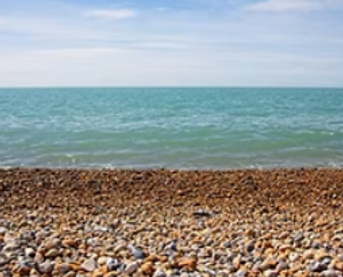


Pebble Beaches
Sand Beaches
Mountain Biking

Madeira Cultural Heritage & Historic Sites
Madeira’s cultural heritage is as rich and layered as its landscapes. With over six centuries of history, the island has developed a strong identity reflected in its architecture, churches, museums, and long-standing traditions. From Renaissance and Baroque influences to local artisan crafts and religious festivals, Madeira blends its historical legacy with everyday island life in a way that feels both authentic and alive.
Exploring Madeira’s cultural sites offers a deeper understanding of the people and stories that shaped the archipelago. Historic forts, convents, and centuries-old churches stand alongside museums that preserve art, folklore, and ethnographic collections. Together, they reveal the spiritual, artistic, and social foundations that continue to define Madeira’s unique character today.


Explore the City of Funchal
Funchal, the capital of Madeira, blends history, culture, and coastal beauty in a unique way. Set along the Atlantic and framed by green hills, the city’s architecture and streets reflect centuries of tradition mixed with a modern, cosmopolitan atmosphere. Historic churches, elegant promenades, and lively squares tell the story of a city that has evolved while preserving its character.
Walking through Funchal’s old town and downtown areas reveals colorful facades, cobblestone streets, and local markets like Mercado dos Lavradores. Botanical gardens, waterfront paths, museums, and inviting cafés add to its charm, offering a balance between urban life and ocean views. Whether exploring cultural landmarks or simply enjoying the relaxed island rhythm, Funchal leaves a lasting impression.


Gastronomy and Wine in Madeira
Traditional Food & Drinks of Madeira
Madeira’s gastronomy is shaped by its volcanic soil, Atlantic waters, and centuries of tradition. Local cuisine is based on fresh regional ingredients and bold, simple flavors. Seafood plays a central role, with black scabbardfish (espada) often served with fried banana or passion fruit, and grilled limpets (lapas) enjoyed as a coastal specialty. Meat dishes such as espetada — garlic and bay leaf–seasoned beef skewers — are typically accompanied by milho frito and traditional bolo do caco bread, reflecting the island’s balance between land and sea.
No experience of Madeira is complete without its wine and traditional drinks. Madeira wine, a fortified wine protected by designation of origin, has been produced for centuries and is known worldwide for its distinctive character and durability. Alongside it, poncha — made with sugar-cane aguardente, honey, and citrus juice — remains a popular local drink, representing the island’s convivial and authentic food culture.
Typical Dishes
-
Espetada Regional
-
Grilled Limpets
-
Carne de Vinha d'alhos
-
Filete de Espada
-
Milho Cozido and Milho Frito
-
Sopa de Trigo
-
Bife de Atum
-
Prego no Bolo do Caco
-
Prego no Bolo do Caco
-
Nikita
-
Rum
-
Laranjada and Brisa Maracujá
-
Coral Beer
-
Poncha
-
Madeira Wine
-
Chestnut
-
Sugarcane
-
Anona
-
Passion Fruit
-
Fruto Delicioso
-
Madeira Banana
-
Pudim de Maracujá
-
Palitos de Cerveja
-
Bolo Preto da Madeira
-
Malassadas
-
Rebuçados de Funcho
-
Lambecas
-
Queijada da Madeira
-
Broas and Bolo de Mel
Typical Drinks
Local Products
Sweets & Desserts


The Best Restaurants in Madeira
Madeira offers a wide selection of excellent restaurants, from traditional taverns serving authentic espetada and fresh seafood to refined dining spots overlooking the Atlantic. The best restaurants combine local ingredients, regional recipes, and warm island hospitality, creating meals that reflect Madeira’s rich culinary heritage. Whether in Funchal’s old town, along the coast, or in scenic mountain villages, visitors can enjoy everything from casual local eateries to elegant fine-dining experiences, all showcasing the island’s distinctive flavors and relaxed atmosphere.
-
Il Gallo d’Oro
-
William
-
Desarma
-
Kampo
-
Galáxia Skyfood
-
Avista
-
Chalet Vicente
-
Akua
-
Vila do Peixe
-
Pau de Lume
-
Il Basilico
-
O Calhau
-
Quinta da Bela Vista
-
Restaurante do Forte
-
O Polar
-
Casa das Espetadas
Ready to experience Madeira beyond the pages of this guide?
Our Custom and Private Tours of Portugal transform inspiration into carefully curated journeys — designed entirely around your pace, your interests and your travel style.
Explore Our Customizable Madeira Tours
Discover authentic experiences crafted to match your interests and pace.
Contact Us to Create Your Custom Portugal Tour
Send Us Your Details and We’ll Get Back to You Within 24 Hours
bottom of page