

Algarve Travel Guide by Local Experts
Discover the best places to visit in the Algarve, top things to do, hidden gems, local food, practical travel tips, and more.
The Algarve is known for its golden beaches, dramatic sea cliffs, and charming coastal towns along Portugal’s southern coast. From Ponta da Piedade to the beaches near Tavira, the region offers stunning Atlantic scenery and unforgettable views.
Known for its sunny climate and spectacular Atlantic coastline, the Algarve is famous for turquoise waters, rugged cliffs, hidden coves, and lively marina towns. The region combines natural beauty with a relaxed atmosphere that makes every visit memorable.
Beyond the beaches, you’ll find picturesque fishing villages, scenic coastal trails, natural parks, and historic towns that reflect the Algarve’s relaxed lifestyle and culture.
Our Algarve private tours let you explore the region comfortably with local insight and flexible itineraries to discover its highlights at your own pace.
Algarve – Golden Cliffs, Beaches & Atlantic Landscapes
The Algarve, Portugal’s southernmost region, is famous for its dramatic sea cliffs, golden beaches, and charming coastal towns shaped by centuries of maritime history. From Moorish influences to Portugal’s Age of Discoveries, the region developed into one of Europe’s most iconic coastal destinations, where nature and heritage meet along the Atlantic shoreline.
Today, the Algarve stretches from the wild cliffs of Sagres to the calm lagoons of the Ria Formosa near Tavira. With picturesque fishing villages, lively marinas, and scenic coastal drives, the region blends traditional Portuguese culture with modern resorts and year-round sunshine.
The Algarve is known for its turquoise waters, hidden coves, sea caves, and some of Europe’s most beautiful beaches. Visitors can explore dramatic rock formations like Ponta da Piedade, relax in historic towns such as Lagos and Faro, or discover quiet islands and nature reserves that make the region one of Portugal’s most diverse travel destinations.

Algarve Weather: Best Time to Visit the Algarve
Algarve enjoys one of the mildest climates in Europe, with over 300 days of sunshine each year. Winters are generally soft, with daytime temperatures around 15–18°C, while summers are warm and dry, often reaching the mid-20s along the coast and even higher inland. Thanks to the Atlantic Ocean, temperatures remain comfortable throughout the year, and refreshing sea breezes help moderate the summer heat, making the region pleasant even during the hottest months.
Spring (April–June) and early autumn (September–October) are considered the best times to visit the Algarve. During these months the weather is warm, rainfall is low, and the region is less crowded than during peak summer. These seasons are perfect for exploring the Algarve’s dramatic coastline, hiking along scenic cliffs, visiting charming fishing towns, and enjoying the beaches without the busiest tourist crowds.
Summer brings long sunny days and a lively atmosphere across the region, especially in popular towns like Lagos, Albufeira, and Faro, where beaches, restaurants, and marinas are at their most vibrant. In contrast, late autumn and winter reveal a quieter Algarve, with peaceful seaside towns and relaxed coastal scenery perfect for slower travel and coastal walks.
Top Things to Do in the Algarve: Beaches, Cliffs & Hidden Gems
Explore the Benagil Sea Cave (Algarve Coast)
Visit the famous Benagil Sea Cave, one of the Algarve’s most spectacular coastal landmarks. Accessible by boat or kayak, this dramatic sea cave features a natural skylight illuminating the golden sand below, creating one of Portugal’s most photographed coastal scenes.
Walk the Seven Hanging Valleys Trail (Carvoeiro Coast)
Follow the Seven Hanging Valleys Trail, one of the Algarve’s most scenic coastal hikes. The path winds along dramatic cliffs, hidden coves, and panoramic viewpoints above the Atlantic Ocean, revealing sea arches, limestone formations, and breathtaking coastal landscapes.
Explore the Cliffs of Ponta da Piedade (Lagos)
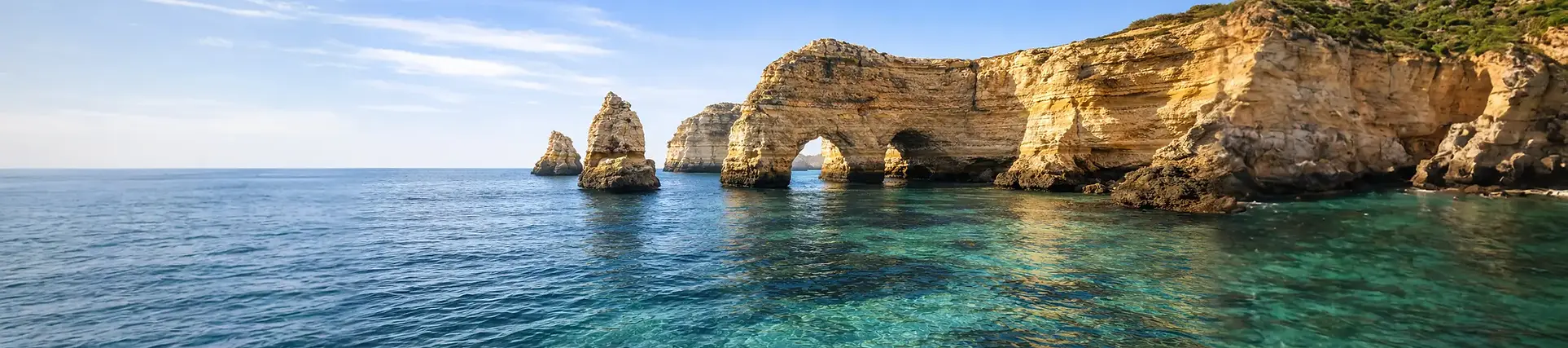
Explore the golden cliffs of Ponta da Piedade near Lagos, where dramatic rock formations rise above turquoise waters. Walk along cliffside viewpoints or descend the famous staircase to explore sea arches, grottoes, and narrow inlets shaped by the Atlantic.
Relax on Praia da Marinha (Lagoa)
Relax at Praia da Marinha, one of the Algarve’s most beautiful beaches and often ranked among Europe’s finest. Surrounded by towering limestone cliffs and natural rock arches, its turquoise waters and golden sands create a stunning coastal landscape.
Discover the Historic Town of Lagos
Explore the coastal town of Lagos, where historic charm meets vibrant seaside culture. Wander cobbled streets within the ancient city walls, visit landmarks from Portugal’s Age of Discoveries, and enjoy the lively marina and beaches.
Wander the Old Town of Faro
Step into Faro’s historic Cidade Velha and explore the atmospheric streets of the old town. Surrounded by ancient stone walls, this district reveals quiet squares, historic churches, and views over the Ria Formosa lagoon.
Watch the Sunset at Cape St. Vincent (Sagres)
Travel to Cape St. Vincent near Sagres, the southwesternmost point of mainland Europe. Towering cliffs overlook the Atlantic Ocean, creating one of the Algarve’s most dramatic sunset viewpoints along the rugged coastline.
Explore the Moorish Castle of Silves (Silves)
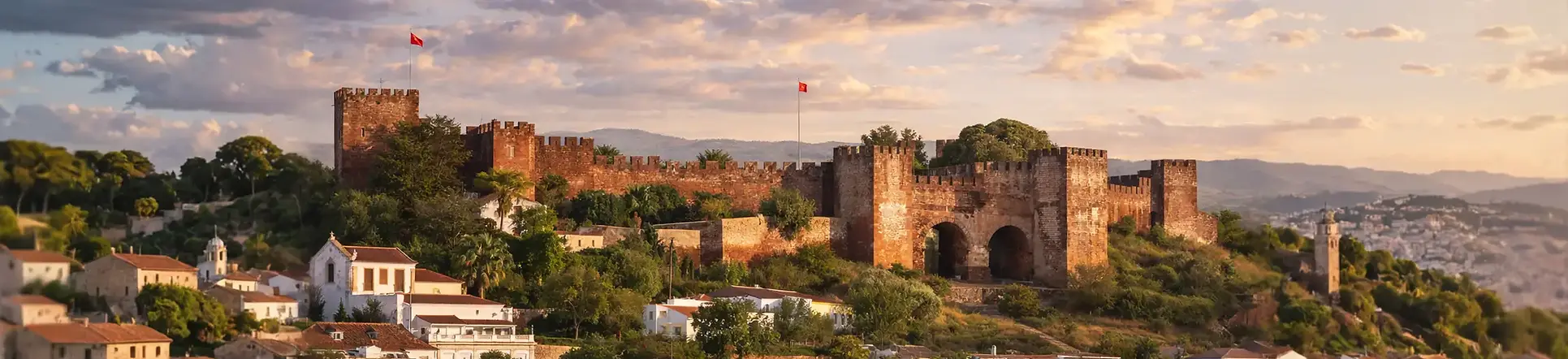
Visit the striking red sandstone castle of Silves, one of the Algarve’s most impressive historic landmarks. Rising above the old town, this medieval Moorish fortress offers sweeping views over the surrounding countryside.
Cruise Through Ria Formosa Natural Park (Faro & Olhão)
Take a boat trip through Ria Formosa Natural Park and discover one of the Algarve’s most unique landscapes. This protected lagoon is home to barrier islands, wildlife, and quiet fishing villages with peaceful beaches.
Escape to the Mountains of Monchique (Serra de Monchique)
Head south to the stunning coastline of Sesimbra and Arrábida Natural Park. Crystal-clear waters, dramatic limestone cliffs, and secluded beaches make this region one of the most beautiful natural escapes near Lisbon.
What Should You Wear & Pack for Algarve ?
Dress for warm & Sunny Days
Sunny most of the year. Pack light clothing and a layer for cooler evenings.
Smart-Casual Outfit
Laid-back vibe, but stylish in restaurants and beach clubs. Bring one polished look.
Comfortable Walking Shoes
Sunny most of the year. Pack light clothing and a layer for cooler evenings.
Beachwear
Laid-back vibe, but stylish in restaurants and beach clubs. Bring one polished look.
Light Jacket or Sweater
Evenings by the ocean can feel breezy, especially outside peak summer.
Small Day Backpack
Perfect for boat tours, hikes and sightseeing. Carry water and essentials comfortably.
Sun Protection
The sun can be strong. Sunscreen, sunglasses, and a hat are recommended.
Sandals
Ideal for beach days and relaxed evenings along the Algarve coastline.
Travel Adapter
Portugal uses European plugs. Essential for phones, cameras, and chargers.
Some Cash
Cards are common, but small cafés may prefer cash for smaller payments.

How to Get to the Algarve & Travel Around Like a Local
The Algarve is easy to reach, with Faro International Airport offering direct flights from many European cities throughout the year. Once you arrive, popular destinations such as Faro, Lagos, Albufeira, and Portimão are usually within 30 to 60 minutes by car. The region is relatively compact, making travel between towns, beaches, and scenic coastal viewpoints simple and convenient.
Renting a car is often the best way to explore the Algarve, especially if you want to visit cliffside beaches, hidden coves, and smaller inland villages. Roads are generally well maintained and easy to navigate, allowing travelers to move comfortably between coastal towns and discover scenic spots that public transport does not always reach.
Public transportation is available across the region, with trains connecting towns such as Lagos, Portimão, Albufeira, Faro, and Tavira. Buses, taxis, and ride-sharing services operate in most major towns, while boat services provide access to the islands of Ria Formosa.
Is the Algarve Expensive? A Realistic Guide to Travel Costs
The Algarve is often considered one of Europe’s better-value beach destinations. While it’s no longer a hidden budget escape, it remains more affordable than many Mediterranean hotspots. Prices rise during peak summer — especially in July and August — but outside those months the region offers excellent value for its sunny climate, dramatic coastline, and well-developed travel infrastructure.
Accommodation is usually the biggest expense and varies widely depending on location and season. In summer, hotels in popular towns like Lagos or Albufeira can be significantly higher, while guesthouses, apartments, and smaller hotels offer more affordable options. Visiting in spring or autumn — or staying slightly outside the busiest resorts — can reduce prices considerably.
Food and daily expenses in the Algarve are generally reasonable, particularly if you dine where locals go. Casual restaurant meals, fresh seafood, and traditional Portuguese dishes are widely available at fair prices. Local cafés, bakeries, and small tavernas offer excellent value for lunch or dinner throughout the region.
Getting around the Algarve can also be fairly affordable. Regional trains and buses connect many coastal towns, while taxis and rideshare services are available in major destinations. Renting a car is often the most convenient option if you plan to explore scenic beaches, cliff viewpoints, and smaller villages.
Best Places to Visit in Algarve: Top Towns, Beaches & Coastal Resorts
Faro – The Authentic Capital of the Algarve
Faro is the historic and administrative capital of the Algarve, offering a refreshing contrast to the region’s purpose-built resort towns. Instead of high-rise hotels and crowded beach strips, visitors find ancient Moorish walls, cobbled streets, and a relaxed Portuguese atmosphere. The highlight is Cidade Velha (Old Town), where quiet squares open onto landmarks like Faro Cathedral, the Bishop’s Palace, and the elegant Arco da Vila gateway.
Beyond its historic center, Faro is defined by the remarkable Ria Formosa Natural Park. This vast lagoon system of marshes, islands, and sandbanks stretches along the Algarve coast and forms one of Portugal’s most important ecosystems. Boats regularly connect Faro to barrier islands such as Ilha Deserta and Ilha da Culatra, where long sandy beaches and peaceful fishing villages offer a quieter Algarve experience.
Faro also works perfectly as a base for exploring the eastern Algarve. The city is compact, easy to walk, and well connected by train and bus to nearby towns like Tavira, Olhão, and Lagos. While beaches sit across the lagoon rather than in the historic center, the combination of history, nature, and authentic Algarve character gives Faro a depth many resort towns lack.
Albufeira – The Heart of the Algarve’s Holiday Scene
Albufeira is one of the Algarve’s most famous resort towns, known for its golden beaches, lively atmosphere, and vibrant holiday energy. What was once a small fishing village has grown into one of the most visited destinations in southern Portugal, combining dramatic coastline with restaurants, beach bars, and a busy marina overlooking the Atlantic Ocean.
The historic Old Town remains the heart of Albufeira, where cobbled streets, whitewashed houses, and colorful cafés create a charming seaside setting. Just below the town center, wide sandy beaches like Praia dos Pescadores stretch along golden cliffs, offering beautiful coastal views.
A few kilometers east lies the famous “Strip,” known for its energetic nightlife and late-night venues. Despite its party reputation, Albufeira also offers scenic viewpoints, boat tours along the cliffs, and easy access to some of the Algarve’s most beautiful beaches.
Tavira – A Graceful and Historic Algarve Town
Tavira sits on the calm eastern edge of the Algarve, about 30 km east of Faro, and is known for offering a more relaxed and authentic atmosphere than many of the region’s larger resort towns. Set along the gentle Gilão River, the town blends historic architecture, quiet plazas, and traditional Portuguese charm, making it one of the Algarve’s most picturesque destinations.
The historic center is defined by cobbled streets, whitewashed houses, and traditional red-tiled roofs that reflect the town’s Moorish and Roman past. Landmarks such as the Roman bridge and the ruins of Tavira Castle reveal layers of history, while churches, small museums, and shady squares invite visitors to explore at a slower pace.
Just beyond the town lies the beautiful Ilha de Tavira, a barrier island within the Ria Formosa Natural Park known for its long sandy beaches and clear Atlantic waters. Ferries connect the island to Tavira’s waterfront, offering an easy escape to one of the eastern Algarve’s most peaceful coastal settings.
Lagos – Historic Harbor Town with Stunning Coastline
Lagos sits on the western side of the Algarve and is one of the region’s most beloved coastal towns. Known for its dramatic cliffs, golden beaches, and maritime history, Lagos blends centuries of exploration-era heritage with a lively modern atmosphere. Its historic harbor once played an important role during Portugal’s Age of Discoveries, and today the town combines historic charm with vibrant cafés, restaurants, and seaside promenades overlooking the Atlantic.
The historic center still reflects this rich past, with cobbled streets, colorful plazas, and historic buildings surrounded by the old city walls. Small shops, restaurants, and cafés fill the charming lanes, creating a lively setting where visitors can wander easily between cultural landmarks and scenic viewpoints.
Just outside town lies the famous coastline of Ponta da Piedade, where towering cliffs and turquoise water form some of the Algarve’s most iconic landscapes. Boat tours and kayak trips allow visitors to explore sea caves and rock arches carved by centuries of Atlantic waves.
Vilamoura – A Stylish Marina Hub of the Algarve
Vilamoura is one of the Algarve’s most polished resort destinations, centered around one of Europe’s largest and most modern marinas. Lined with restaurants, cafés, yachts, and waterfront promenades, the marina forms the heart of the town’s elegant atmosphere and relaxed coastal lifestyle.
Beyond the marina, Vilamoura is known for its world-class golf courses and well-planned resort layout. Wide sandy beaches such as Praia da Marina and Praia de Vilamoura stretch along the coastline, offering beautiful settings for swimming, beach walks, and sunset views over the Atlantic.
The town also serves as a convenient base for exploring the central Algarve. With easy access to nearby towns like Albufeira and Quarteira, Vilamoura combines luxury, leisure, and coastal scenery into one of the region’s most refined seaside destinations.
Carvoeiro – Scenic Cliff-Top Village on the Algarve Coast
Carvoeiro is a charming seaside village perched above the dramatic cliffs of the central Algarve. Once a small fishing community, it has grown into a relaxed coastal destination while still preserving its traditional character. Whitewashed buildings line the cliffs above a small sandy cove, and panoramic viewpoints reveal sweeping views across the Atlantic coastline.
The village is famous for Praia de Carvoeiro and the surrounding limestone cliffs that shape this beautiful stretch of coast. Nearby natural landmarks such as the Algar Seco rock formations and the scenic Seven Hanging Valleys Trail offer spectacular coastal walks and viewpoints overlooking sea caves, arches, and hidden beaches.
Despite its popularity, Carvoeiro retains a peaceful atmosphere. Restaurants, cafés, and small bars cluster around the beach and village square, creating a relaxed setting perfect for sunset dinners and slow evenings by the ocean.
Praia da Luz – Laid-Back Beach Village with Atlantic Views
Praia da Luz is a relaxed seaside village just west of Lagos, known for its wide sandy bay and calm, family-friendly atmosphere. The long beachfront promenade and sheltered waters make it one of the Algarve’s most pleasant coastal settings, combining scenic ocean views with a slower pace of life.
The beach stretches in a gentle crescent backed by low cliffs and traditional whitewashed houses. Calm waters make it ideal for swimming, paddleboarding, and easy beach days, while cafés and small restaurants along the promenade offer perfect spots to enjoy the sea breeze.
Although quiet and compact, Praia da Luz is well located for exploring the western Algarve. Lagos lies only a short drive away, while nearby coastal roads lead to dramatic cliffs, hidden coves, and some of the region’s most beautiful viewpoints.
Praia da Rocha – Wide Beaches and Lively Seafront
Praia da Rocha is one of the Algarve’s most iconic beach destinations, famous for its vast stretch of golden sand framed by towering limestone cliffs. Located beside the city of Portimão, the beach combines dramatic coastal scenery with a lively atmosphere that attracts visitors throughout the year.
A wide promenade runs behind the beach, lined with cafés, restaurants, and beach bars overlooking the Atlantic. From swimming and sunbathing to water sports and sunset walks along the cliffs, Praia da Rocha offers one of the most vibrant seaside settings in the region.
Beyond the beach, the area connects easily to Portimão’s historic waterfront and marina. The mix of scenic coastline, lively beach culture, and nearby restaurants makes Praia da Rocha a popular base for exploring the central Algarve.
Sagres – Wild Atlantic Edge of the Algarve
Sagres sits at the southwestern tip of the Algarve, where rugged cliffs meet the powerful Atlantic Ocean. The town feels distinctly different from the region’s busier resorts, known instead for its raw landscapes, dramatic viewpoints, and strong connection to Portugal’s maritime history.
This stretch of coast is famous for its towering cliffs, powerful waves, and sweeping ocean views. Beaches like Praia do Tonel and Praia da Beliche attract surfers and nature lovers, while coastal trails reveal some of the most dramatic scenery in southern Portugal.
Despite its wild surroundings, Sagres maintains a relaxed village atmosphere. Simple cafés, seafood restaurants, and surf shops create a laid-back setting where visitors come for sunsets, ocean views, and the untamed beauty of the Algarve coast.

Gastronomy and Wine in Algarve: A Guide to Local Flavors
The Algarve’s gastronomy is deeply connected to the Atlantic Ocean, the countryside, and centuries of Mediterranean influence. Fresh fish and seafood define the region’s culinary identity, with dishes built around simple ingredients such as olive oil, garlic, coriander, and locally caught seafood. From seaside villages to family-run tavernas, traditional recipes highlight freshness and bold coastal flavors.
Many of the Algarve’s most famous dishes come directly from its fishing culture. Cataplana de marisco — a seafood stew cooked in a traditional copper pan — is one of the region’s signature meals, while grilled sardines, clams, and cuttlefish dishes are staples in coastal restaurants. Inland villages add rustic flavors to the cuisine with corn-based dishes like xarém and local meats.
Wine production in the Algarve has grown steadily in recent years. Local vineyards in regions such as Lagoa, Lagos, Tavira, and Portimão produce increasingly respected red, white, and rosé wines that pair perfectly with seafood dishes. Alongside these wines, traditional spirits like medronho and fruit liqueurs remain part of the region’s drinking culture.
The Algarve is also famous for its desserts and sweet pastries, many of which reflect Moorish and convent traditions. Almonds, figs, carob, and egg yolks are common ingredients used to create intricate sweets and cakes that are unique to southern Portugal. These desserts provide a sweet finish to the Algarve’s rich culinary heritage.
Typical Dishes
-
Cataplana de Marisco
-
Sardinhas Assadas
-
Frango da Guia
-
Amêijoas à Bulhão Pato
-
Xarém com Conquilhas
-
Choquinhos à Algarvia
-
Caldeirada de Peixe
-
Lulas à Algarvia
Typical Drinks
-
Algarve Regional Wines
-
Medronho
-
Licor de Figo
-
Moscatel do Algarve
-
Algarvian Craft Beer
-
Fresh Orange Juice
Local Products
-
Algarve Oranges
-
Carob
-
Almonds
-
Figs
-
Flor de Sal
-
Goat Cheese
Sweets & Desserts
-
Dom Rodrigo
-
Morgado do Algarve
-
Tarte de Alfarroba
-
Doce Fino Algarvio
-
Folar de Olhão
-
Queijinhos de Amêndoa
-
Bolo de Figo e Amêndoa


Ready to Explore the Algarve with a Local Expert?
Turn the inspiration from this guide into a real journey with our private tours, designed to help you explore the Algarve at your own pace.