

Central Portugal Travel Guide
Explore the best of Central Portugal — best places to visit, top things to do, hidden gems, local food, practical tips, and more.
Central Portugal is the authentic heart of the country, where medieval villages, mountain landscapes, historic universities, and Atlantic coastline come together in one diverse region rich in culture, nature, and traditions.
Here you’ll find dramatic cliffs in Peniche, pilgrimage heritage in Fátima, granite villages near Serra da Estrela, and peaceful countryside dotted with castles, vineyards, forests, and scenic rivers.
From UNESCO-listed heritage sites to hidden river beaches and panoramic viewpoints, Central Portugal blends history, culture, and raw nature beautifully.
Our Central Portugal private tours help you explore comfortably, combining local insight with flexible itineraries to discover the region’s highlights and hidden gems.
Central Portugal – Mountains, Historic Villages & Atlantic Coast
Central Portugal is one of the country’s most diverse regions, stretching from the Atlantic coastline to the mountains of Serra da Estrela. Rich in history, it is home to ancient Roman roads, medieval towns, and the renowned University of Coimbra, one of Europe’s oldest academic institutions. Over centuries, the region developed a unique cultural identity shaped by trade routes, pilgrimage traditions, and rural communities that preserved Portugal’s authentic character.
The region is famous for its varied landscapes and cultural landmarks. Travelers can explore the dramatic cliffs and surf beaches of Peniche, the canals of Aveiro often called the “Venice of Portugal,” and the historic sanctuary of Fátima, one of the world’s most important pilgrimage sites. Inland, granite villages and mountain valleys of Serra da Estrela reveal a quieter side of the country, where nature, tradition, and history remain closely connected.
Central Portugal is also known for its rich traditions, regional cuisine, and slower rhythm of life. From scenic river beaches and forested valleys to medieval castles and UNESCO-listed monasteries such as Batalha and Alcobaça, the region offers remarkable cultural diversity. Whether exploring historic towns, tasting local cheeses and wines, or discovering hidden villages, travelers quickly find an authentic side of Portugal.

Central Portugal Weather & Best Time to Visit
Central Portugal has a diverse Mediterranean climate shaped by both the Atlantic Ocean and nearby mountain ranges. Coastal areas such as Peniche and Figueira da Foz enjoy mild temperatures throughout the year, while inland cities like Castelo Branco experience hotter summers and cooler winters. The higher elevations of the Serra da Estrela mountains can also bring noticeably colder conditions compared to the surrounding regions.
Summer (June–September) is typically warm and dry, especially inland where temperatures can exceed 30°C. Coastal destinations benefit from Atlantic breezes, making them ideal for beach days and seaside activities. However, July and August are the busiest months, particularly in popular coastal towns and well-known historic cities across the region.
Spring and early autumn are widely considered the best times to visit Central Portugal. Temperatures are comfortable, the countryside is vibrant with greenery and wildflowers, and visitor numbers are lower than during peak summer. These seasons are perfect for exploring historic towns, scenic landscapes, and enjoying local cuisine at a relaxed pace.
Top Things to Do in Central Portugal
Explore the Historic University of Coimbra (Coimbra)
Step into Portugal’s academic heart at the University of Coimbra, a UNESCO World Heritage Site and one of Europe’s oldest universities. Wander historic courtyards, admire the ornate Biblioteca Joanina, and enjoy sweeping views above the Mondego River while discovering centuries of Portuguese culture and traditions.
Watch Giant Waves in Nazaré (Nazaré)
Stand atop Nazaré’s dramatic cliffs and witness the Atlantic Ocean’s legendary giant waves. Visit the famous lighthouse at Forte de São Miguel Arcanjo, explore the lively fishing village below, and experience one of the world’s most thrilling surf destinations and dramatic coastal viewpoints
Wander the Medieval Streets of Óbidos (Óbidos)
Enter the storybook town of Óbidos through its ancient stone gates and explore narrow cobbled streets lined with whitewashed houses and colorful flowers. Walk along the medieval castle walls and taste the famous cherry liqueur ginjinha in chocolate cups.
Cruise the Colorful Canals of Aveiro (Aveiro)
Glide through Aveiro’s scenic canals aboard a traditional moliceiro boat and discover the charm of Portugal’s “Venice.” Admire elegant Art Nouveau buildings, cross picturesque bridges, and taste the city’s iconic ovos moles pastry along the lively waterfront.
Discover Knights Templar History in Tomar
Step into Portugal’s Templar past at the magnificent Convent of Christ in Tomar. Explore ornate cloisters, medieval fortifications, and the famous Manueline window while learning how the Knights Templar helped shape Portugal’s Age of Discoveries.
Hike the Mountains of Serra da Estrela Natural Park
Venture into Portugal’s highest mountain range in Serra da Estrela Natural Park. Hike scenic trails through glacial valleys, granite peaks, and alpine landscapes while visiting Torre, the country’s highest point, and tasting the region’s famous Serra da Estrela cheese.
Visit the Historic Villages of Portugal (Beira Interior)
Travel back centuries by exploring the Historic Villages of Portugal scattered across the Beira region. Discover dramatic hilltop castles, stone houses, and fortified walls in places like Monsanto, Sortelha, and Linhares da Beira.
Relax on the Silver Coast Beaches (Central Portugal Coast)
Escape to Central Portugal’s wild Atlantic coastline along the scenic Silver Coast. Discover expansive sandy beaches, dramatic cliffs, and charming seaside towns like Figueira da Foz and Costa Nova with its colorful striped houses.
Discover the Schist Village of Piódão (Serra do Açor)
Journey deep into the mountains to visit Piódão, one of Portugal’s most picturesque schist villages. Admire slate houses cascading down the hillside, wander quiet cobbled lanes, and relax beside the crystal-clear river pool surrounded by forested landscapes.
Taste Wine and Cuisine in the Bairrada Region (Bairrada)
Experience Central Portugal’s rich culinary traditions in the Bairrada wine region. Visit local wineries producing excellent sparkling wines and savor the famous leitão da Bairrada roast suckling pig.
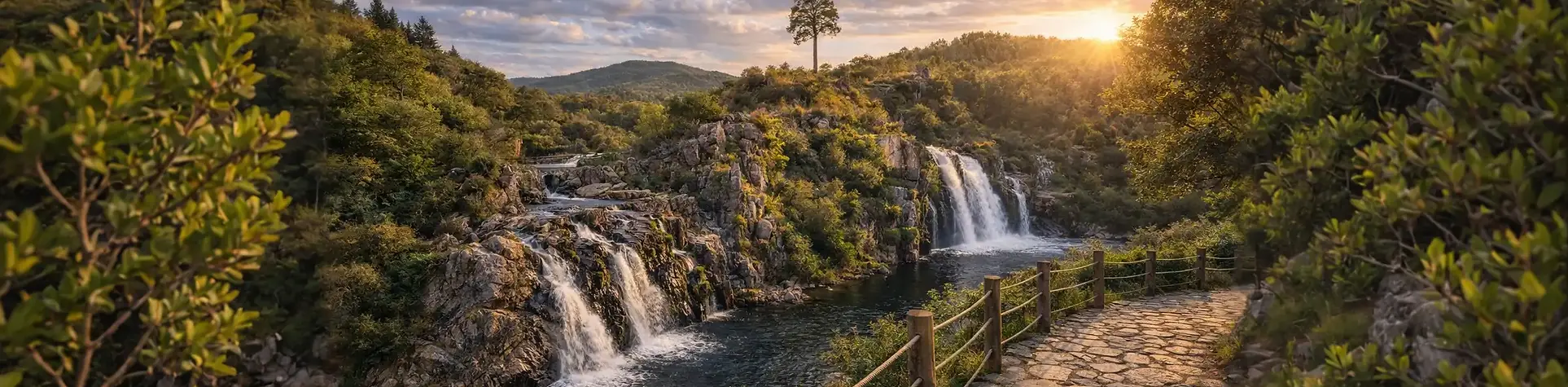
What Should You Wear & Pack for Central Portugal?
Light, Breathable Clothing
Summers can be hot inland, so pack lightweight fabrics and comfortable layers.
Smart-Casual Outfit
Relaxed atmosphere, but stylish restaurants and wine bars appreciate a polished look.
Comfortable Walking Shoes
Cobblestone streets, castle paths, and mountain trails require sturdy shoes with grip.
Beachwear
Bring swimwear for Atlantic beaches and scenic inland river beaches.
Warm Layer for Evenings
Even summer nights can feel cool, especially in mountains or coastal areas.
Small Day Backpack
Ideal for city walks, day trips, and carrying water comfortably.
Sun Protection
The sun can be strong. Sunscreen, sunglasses, and a hat are recommended.
Sandals
Great for warm days and relaxed evenings during summer months.
Travel Adapter
Portugal uses European plugs. Essential for phones, cameras, and chargers.
Some Cash
Cards are common, but small cafés may prefer cash for smaller payments.

How to Get to Central Portugal & Travel Around the Region
Central Portugal is easy to reach from both Lisbon and Porto airports, making it a convenient addition to many Portugal itineraries. From either city, travelers can reach Coimbra, Aveiro, or Leiria by train or highway in just a few hours. For visitors already traveling within Portugal, regional rail and bus networks connect most major towns across the region comfortably, making it simple to explore Central Portugal without complicated travel logistics.
Trains are a reliable way to travel between larger cities such as Coimbra, Aveiro, and Guarda, with frequent departures and reasonable ticket prices. However, rail connections to smaller villages, mountain areas, and rural destinations can be limited. Reaching places like Serra da Estrela or historic villages often requires combining trains with buses or planning additional transport in advance.
Renting a car offers the most flexibility for exploring Central Portugal, especially if you want to visit mountain landscapes, historic villages, or Atlantic coastal towns. Driving lets you travel at your own pace and reach viewpoints, nature parks, and rural areas not easily accessible by public transport. Guided tours are another convenient option for discovering the region comfortably.
Is Central Portugal Expensive? A Practical Guide to Travel Costs
Central Portugal is generally more affordable than Lisbon, Porto, or the Algarve, making it an excellent choice for travelers seeking good value. While prices vary depending on season, location, and travel style, the region overall offers high-quality experiences at moderate costs. From charming rural guesthouses to local restaurants and scenic attractions, visitors can enjoy authentic Portuguese culture without the higher prices often found in Portugal’s biggest tourist destinations.
Accommodation is usually the largest expense, though options remain fairly affordable. Budget guesthouses and rural stays often start around €40–€70 per night, while mid-range hotels typically range between €80–€140. Food and drink are also reasonably priced, especially outside tourist hotspots, with casual restaurant meals commonly costing €12–€18 per person and local cafés offering inexpensive pastries, snacks, and lunch options.
Transportation costs depend on how you travel around the region. Regional trains and buses are generally inexpensive and connect major towns, while car rentals usually range from €25–€40 per day, offering flexibility for exploring rural areas and mountain landscapes. Overall, many travelers can explore Central Portugal comfortably on €50–€90 per day depending on travel style and accommodation choices.

Best Places to Visit in Central Portugal: Cities, Nature & Hidden Gems
Coimbra – The Historic Heart of Central Portugal
Coimbra is one of Portugal’s most historic and atmospheric cities, beautifully set along the Mondego River in the heart of Central Portugal. Once the medieval capital of the country, the city blends centuries of academic tradition with vibrant cultural life. Its hilltop university, historic quarters, and scenic riverside setting create one of the most iconic skylines in the region.
At the center of the city stands the University of Coimbra, a UNESCO World Heritage Site and one of Europe’s oldest universities. Highlights include the magnificent Joanina Library, historic courtyards, and sweeping viewpoints overlooking the city. Below the university, Coimbra’s old town unfolds through narrow cobbled streets filled with small cafés, traditional restaurants, and Fado music venues unique to the city.
Beyond its historic center, Coimbra is also a perfect base for exploring Central Portugal’s surrounding landscapes and historic towns. From Roman ruins and coastal beaches to mountain villages and scenic valleys, the region offers remarkable diversity. The destinations below highlight some of the most interesting cities, natural areas, and hidden gems worth exploring in Central Portugal.
-
University of Coimbra & Joanina Library (UNESCO site)
-
Old Town of Coimbra (historic quarter)
-
Conímbriga Roman Ruins (Roman archaeological site)
-
Figueira da Foz (Atlantic beach town)
-
Buçaco Forest & Palace (historic forest park)
-
Aveiro (canals & moliceiro boats)
-
Serra da Lousã (schist villages & hiking)
-
Monsanto (stone village & castle)
-
Serra da Estrela (high mountains)
-
Peniche (Atlantic cliffs & surf)
Ria de Aveiro – Canals, Coast & Atlantic Traditions
The Ria de Aveiro is one of Portugal’s most distinctive coastal landscapes, a vast lagoon stretching nearly 45 kilometers along the Atlantic between Ovar and Mira. This unique ecosystem of canals, wetlands, and sandbanks has shaped the region’s maritime culture for centuries. At its heart lies the city of Aveiro, often called the “Venice of Portugal,” famous for its colorful moliceiro boats and elegant canals lined with Art Nouveau architecture.
Aveiro blends maritime heritage with a lively modern atmosphere. Walking along the canals reveals tiled houses, waterfront cafés, and the famous ovos moles sweets that define the city’s culinary identity. Just minutes away, the Atlantic coast offers long sandy beaches such as Costa Nova and Barra, where striped fishermen’s houses and Portugal’s tallest lighthouse overlook dramatic ocean scenery.
Beyond the city, the surrounding lagoon towns each add their own character to the region. Fishing traditions thrive in Ílhavo, while Ovar is known for its azulejo-covered buildings and lively cultural festivals. Nature reserves, cycling paths, and quiet waterfront villages reveal the region’s slower rhythm. Explore the destinations below to discover the highlights and hidden gems across the Ria de Aveiro.
-
Aveiro (canals & moliceiro boats)
-
Costa Nova (striped houses & beaches)
-
Ílhavo (maritime museum town)
-
Ovar (azulejo churches & culture)
-
Murtosa (lagoon villages & fishing)
-
Estarreja (Bioria wetlands nature reserve)
-
Barra (Portugal’s tallest lighthouse)
-
São Jacinto (Atlantic dunes nature reserve)
-
Águeda (Umbrella Sky street art)
-
Anadia (Bairrada wine region)
Serra da Estrela – Portugal’s Majestic Mountain Heart
Serra da Estrela is mainland Portugal’s highest mountain range and one of its most dramatic natural landscapes. Rising above glacial valleys, alpine lagoons, and sweeping plateaus, the region feels worlds away from the Atlantic coast. At its highest point, Torre reaches 1,993 meters above sea level. These mountains form the heart of Portugal’s only ski destination and one of the country’s most spectacular areas for hiking, scenic drives, and panoramic viewpoints.
The region is shaped not only by nature but also by deep rural traditions. Stone villages cling to the mountainsides where shepherds still produce the famous Serra da Estrela cheese using centuries-old methods. Historic towns combine medieval streets, granite houses, and mountain architecture adapted to harsh winters. Cultural heritage, pastoral landscapes, and dramatic scenery give the mountains a unique identity within Portugal.
Serra da Estrela is also a paradise for outdoor exploration. Scenic routes lead through glacial valleys, alpine lakes, and high mountain plateaus rarely found elsewhere in Portugal. From winter snow to summer hiking and river beaches, the region offers year-round experiences. Explore the towns and villages below to discover the highlights and hidden gems scattered across these mountains.
-
Almeida (star-shaped fortress town)
-
Belmonte (Jewish heritage & medieval castle)
-
Celorico da Beira (Serra da Estrela cheese capital)
-
Covilhã (mountain gateway city)
-
Guarda (Portugal’s highest historic city)
-
Manteigas (glacial valley & mountain scenery)
-
Linhares da Beira (castle village & granite houses)
-
Seia (gateway to Serra da Estrela)
-
Sabugal (castle overlooking the Côa River)
-
Torre (highest peak in mainland Portugal)
Serra da Lousã – Schist Villages & Forest Mountains
Serra da Lousã is one of Central Portugal’s most enchanting mountain landscapes, known for its dense forests, quiet valleys, and traditional schist villages hidden among the hills. Located south of Coimbra, the range forms part of the Aldeias do Xisto network, where historic stone houses blend seamlessly into the surrounding nature. Scenic mountain roads, panoramic viewpoints, and peaceful river beaches make the region a favorite for nature lovers.
The villages scattered across Serra da Lousã preserve centuries-old rural traditions. Places like Talasnal, Cerdeira, and Casal de São Simão showcase distinctive schist architecture, narrow stone streets, and restored cottages overlooking forested valleys. Many of these villages have been carefully revitalized, combining traditional heritage with small guesthouses, craft workshops, and cafés that welcome travelers exploring Portugal’s quieter countryside.
Beyond the villages, the mountains offer excellent opportunities for hiking, cycling, and wildlife watching. Forest trails lead to waterfalls, panoramic viewpoints, and quiet river beaches perfect for summer swims. The Serra da Lousã Natural Area is also known for its deer population and scenic landscapes. Discover the villages and natural highlights below to explore this hidden mountain region.
-
Lousã (castle & mountain gateway town)
-
Talasnal (iconic schist village views)
-
Cerdeira (artists’ village in the mountains)
-
Casal de São Simão (picturesque schist village)
-
Foz de Arouce (river valley & castle ruins)
-
Aigra Nova (traditional mountain village)
-
Aigra Velha (historic shepherd village)
-
Pena (remote schist mountain village)
-
Senhora da Piedade (chapel & river beach)
-
Praia Fluvial da Louçainha (forest river beach)
Médio Tejo – Templar Castles, Rivers & Historic Towns
The Médio Tejo region stretches along the Tagus River and its tributaries, forming a landscape of rolling hills, fertile valleys, and historic towns shaped by centuries of river trade and cultural exchange. Located between Lisbon and the interior of Central Portugal, the region blends scenic river landscapes with remarkable historical heritage. Medieval castles, riverside villages, and historic monasteries give Médio Tejo a distinctive character rooted in Portugal’s past.
History runs deep across the region, particularly in Tomar, once the headquarters of the Knights Templar in Portugal. The magnificent Convent of Christ, now a UNESCO World Heritage Site, reflects centuries of religious and military influence. Nearby towns feature hilltop castles, Manueline churches, and historic streets that preserve the legacy of Portugal’s medieval and maritime eras.
Nature and outdoor exploration also play an important role in Médio Tejo. Reservoirs, river beaches, and scenic hiking areas surround towns and villages across the region. The Castelo de Bode reservoir offers panoramic viewpoints and peaceful water landscapes, while traditional gastronomy and local festivals add to the region’s welcoming atmosphere. Explore the destinations below to discover the highlights of Médio Tejo.
-
Tomar (Convent of Christ & Templar heritage)
-
Almourol Castle (castle island in the Tagus River)
-
Constância (Tagus & Zêzere river confluence)
-
Abrantes (hilltop castle & Tagus viewpoints)
-
Ferreira do Zêzere (Castelo de Bode reservoir scenery)
-
Entroncamento (railway heritage town)
-
Ourém (medieval hilltop castle town)
-
Sertã (Zêzere river valleys & gastronomy)
-
Vila Nova da Barquinha (Almourol Castle gateway)
-
Torres Novas (Almonda river & medieval castle)
Beira Baixa – Historic Villages, Castles & Wild Landscapes
Beira Baixa is one of Central Portugal’s most authentic and lesser-known regions, stretching across granite hills, river valleys, and open plains near the Spanish border. Rich in rural traditions and medieval heritage, the region offers a quieter and more genuine travel experience. Historic villages, ancient agricultural landscapes, and fortified towns reflect centuries of border history shaped by castles, Roman roads, and resilient local communities.
The region’s cultural center, Castelo Branco, is known for its elegant baroque gardens and cultural institutions. Nearby towns reveal deeper layers of history. Idanha-a-Nova connects travelers to ancient settlements and traditional villages, while the remarkable stone village of Monsanto dramatically rises among giant granite boulders. Across the region, fortified hilltop towns and medieval walls tell stories of Portugal’s historic frontier.
Nature plays a central role in Beira Baixa’s identity. Dramatic landscapes appear along the Tagus River, particularly at the impressive Portas de Ródão rock formations. Forested valleys, reservoirs, and quiet countryside roads create excellent opportunities for hiking, birdwatching, and scenic drives. Explore the towns and villages below to discover the region’s historic charm and natural beauty.
-
Castelo Branco (baroque gardens & cultural center)
-
Monsanto (stone village among granite boulders)
-
Idanha-a-Nova (historic villages & traditions)
-
Penamacor (medieval walls & hilltop views)
-
Oleiros (river beaches & forest landscapes)
-
Vila Velha de Ródão (Portas de Ródão cliffs)
-
Proença-a-Nova (stone bridges & countryside)
-
Idanha-a-Velha (ancient Roman settlement)
-
Segura (border fortress village)
-
Rosmaninhal (Tagus valley landscapes)
Gastronomy and Wine in Central Portugal: A Guide to Local Flavors
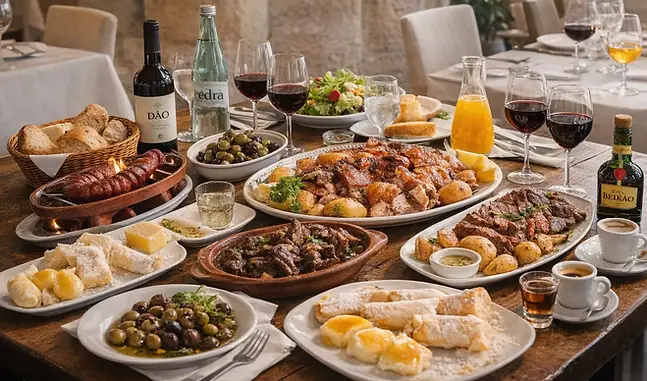
Central Portugal has one of the country’s most authentic food scenes, where mountain traditions meet Atlantic freshness. From Coimbra and the Beiras to Aveiro’s lagoon coast, cooking stays rooted in local produce, river fish, and seasonal herbs. Expect hearty classics like chanfana (slow-cooked goat stew) and Leitão da Bairrada, alongside seafood, rice dishes, and comforting soups served in small family-run taverns and markets.
Central Portugal has one of the country’s most authentic food scenes, where mountain traditions meet Atlantic freshness. From Coimbra and the Beiras to Aveiro’s lagoon coast, cooking stays rooted in local produce, river fish, and seasonal herbs. Expect hearty classics like chanfana (slow-cooked goat stew) and Leitão da Bairrada, alongside seafood, rice dishes, and comforting soups served in small family-run taverns and markets.
Local products make great souvenirs and table highlights. Serra da Estrela sheep’s cheese is the regional star, alongside Beiras olive oils, mountain honey, smoked sausages, and seasonal wild mushrooms. Chestnuts are another autumn favorite. Along the Ria de Aveiro and Atlantic towns, fresh fish, clams, and octopus shape everyday cooking. Markets in Coimbra and Aveiro showcase these flavors year-round.
Central Portugal is also famous for conventual sweets made with egg yolks and almonds. Try Ovos Moles de Aveiro, Pastéis de Tentúgal near Coimbra, and Coimbra’s queijadas and Pastel de Santa Clara. Up the coast, don’t miss Pão de Ló de Ovar, a local classic. Explore the list below for typical dishes, drinks, products, and desserts.
Typical Dishes
Typical Drinks
-
Chanfana
-
Leitão da Bairrada
-
Maranho da Sertã
-
Arroz de lampreia
-
Arroz de enguias
-
Açorda à Beirã
-
Cabrito assado
-
Dão wines (DOC Dão)
-
Bairrada sparkling wine
-
Bairrada red wines (Baga)
-
Beira Interior wines
-
Licor Beirão
-
Ginja de Óbidos
Local Products
-
Serra da Estrela cheese
-
Beiras olive oil
-
Mountain honey
-
Smoked enchidos
-
Wild mushrooms
-
Chestnuts
-
Atlantic seafood
Sweets & Desserts
-
Ovos Moles de Aveiro
-
Pastéis de Tentúgal
-
Pastel de Santa Clara
-
Queijadas de Coimbra
-
Pão de Ló de Ovar
-
Cavacas
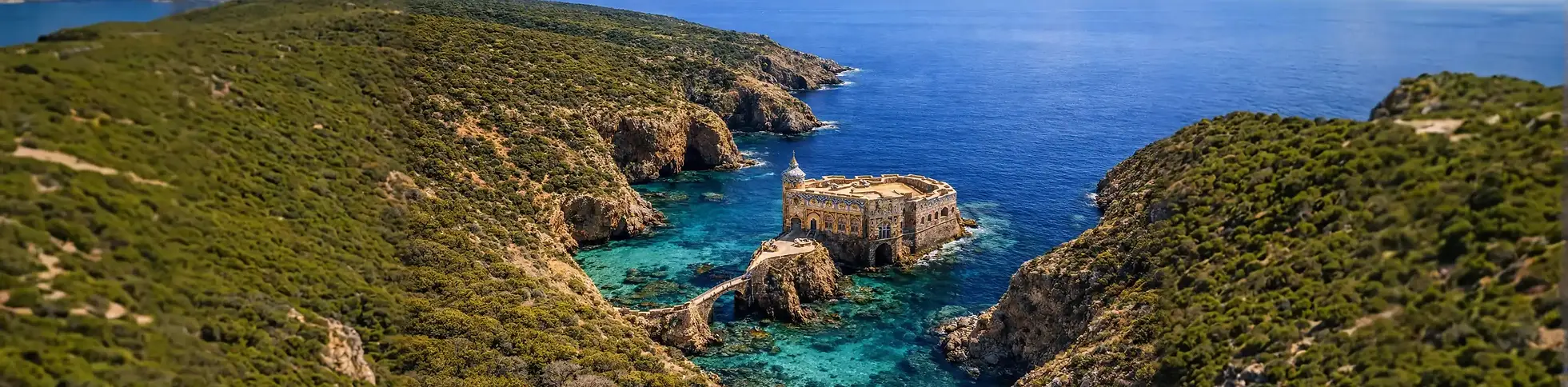
Ready to Explore Central Portugal Your Way?
Take the ideas from this guide and turn them into a real journey with our private tours, designed to help you discover Central Portugal’s landscapes, villages, and hidden gems at your own pace.